

Anisa Khalifa
Podcast Producer and HostAnisa Khalifa is an award-winning podcast producer and host at WUNC. She grew up in a public radio household, and fell in love with podcasts shortly before her friends convinced her to start one with them about Korean dramas. Since joining WUNC in 2021, Anisa has produced Me and My Muslim Friends, CREEP, Tested and Dating While Gray, and is the host of WUNC's weekly podcast The Broadside.
Anisa is also the co-creator of indie podcasts Dramas Over Flowers and Muslim in Plain Sight. In her non-podcast life, she’s a culture writer, poet, visual artist and chronic insomniac, who is fascinated by the stories we tell about ourselves and each other.
-
 North Carolina's spotty record of responding to hurricanes might offer a glimpse into the uncertain future of disaster relief.
 -
 A rock found on the side of the road in North Carolina appeared to solve America's old mystery. But is it a fraud?
 -
 From public syllabi to surveillance, universities across the country are embracing unprecedented policies that professors say are undermining their academic freedom.
 -
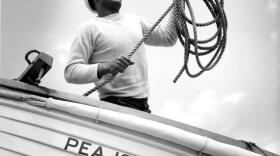 In the treacherous waters of North Carolina's Outer Banks, an extraordinary group of Black men saved hundreds of lives against all odds.
 -
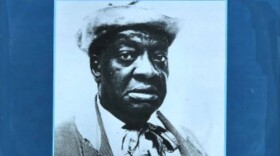 As the story goes, hip-hop music was born 50 years ago at a party in the Bronx. But what if it wasn’t that simple?
 -
 A snowboard revolution is happening in a place with… very little snow.
 -
 From bourbon to chow chow, fermentation is everywhere in Southern food and drink.
 -
On a cold night in January 1958, hundreds of Native Americans showed up to a field in southeast North Carolina with one mission: to boot the KKK out of their community.
-
Buc-ee’s, the mega-sized rest stop expanding across the South, has a legion of intense fans. But does the world really need a store with 120 gas pumps?
-
An old photograph and a call to action from one of the world's most famous athletes sends us on a fascinating adventure.


