-
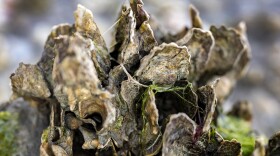 UNC researchers found that oysters’ ability to bury nitrogen into the seafloor can be a gamechanger.
 -
 The nasal swab detects early changes linked to the memory loss disease before cognitive problems develop.
 -
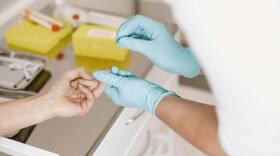 New study discovers tiny molecules found in blood called piRNA could predict whether older adults are likely to survive two or more years.
 -
 Producing and manufacturing electric vehicles and their batteries uses a lot of energy, leading many to be skeptical about the environmental benefits of going electric. But a new study co-authored by Duke researchers says that after two years of use, EVs have a cleaner bottom line than gas-powered vehicles.
 -
 SCIMaP co-founder and University of Pennsylvania researcher Alyssa Sinclair recently spoke with WUNC higher education reporter Brianna Atkinson about the potential impact of a 40% Trump-proposed cut to the NIH.
 -
 Duke, UNC-Chapel Hill, and other NC universities are increasing how much money they put toward federal lobbying amid targeted attacks to higher education funding.
 -
 Eating excessive calories is 10 times more influential than sedentariness in driving the obesity epidemic, researchers say.
 -
 There’s a trade-off between the accuracy and sustainability of different large language models, according to German researchers. An NC expert weighs in.
 -
The first images from the NSF-DOE Vera C. Rubin Observatory debuted on June 23, 2025. Scientists at Duke and across the world await the groundbreaking data it will come to collect.
-
 Universities across the country are bracing for the impacts of billions of dollars in federal funding cuts. Young scholars worry about how university preparations for the budget hit – from lowering graduate student admissions to freezing hiring – will impact their job outlook.

© 2026 WUNC News
120 Friday Center Dr
Chapel Hill, NC 27517
919.445.9150 | 800.962.9862
120 Friday Center Dr
Chapel Hill, NC 27517
919.445.9150 | 800.962.9862
Play Live Radio
Next Up:
0:00
0:00
Available On Air Stations


