
-
 2&3 Photography/via Harper's HomeThe nonprofit Harper’s Home, started by a 12-year-old cancer survivor and her mom, is breaking ground later this month on the first phase of housing to help families with children being treated at Duke Children’s Hospital.
 -
 Rachel Crumpler/NC Health NewsOut-of-state patients got more than one-third of the abortions provided in North Carolina in 2025, as telehealth expands as a pathway to care.


-
 As North Carolina begins to undergo The Pollening, Raleigh residents might just see the worst of it.
 -
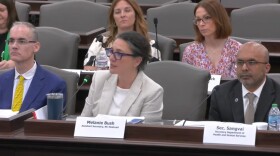 N.C. Department of Health and Human Services officials reiterated their request for $319 million in state funds for Medicaid during a legislative oversight committee meeting on Tuesday.
 -
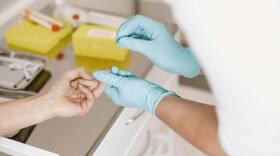 New study discovers tiny molecules found in blood called piRNA could predict whether older adults are likely to survive two or more years.
 -
 Wake County Emergency Management Services plans to make a number of changes, including implementing triage service and using lights and sirens less frequently.
 -
 UNC Health System will integrate the radiation technology into their main campus in Chapel Hill in 2028 to help treat cancer patients. The cost of the project is $40 million.
 -
 More court-ordered patients, fewer staffed beds and longer stays have strained a system struggling to keep up with demand for treatment.
 -
 Measles exposure in Wake, Durham and Orange occurred at various locations on Feb. 5 and Feb. 6. Johnston County also reported a measles case Wednesday — the first it's had since 2018.
 -
 'We have a real problem.' In executive order, NC Gov. Stein aims to aid state's mental health systemThe alleged perpetrators of three high-profile murders in recent months are believed to have been suffering from mental illness. Stein says, "We have a real problem."
 -
 The legal battle between Duke Health and WakeMed over a cancer-fighting linear accelerator has a David vs. Goliath flavor.
 -
 The measles outbreak in South Carolina has surpassed the recorded case count in Texas' 2025 outbreak. Health officials have logged almost 600 new cases in just over a month, for a total of 789. The U.S. is at risk of losing its measles elimination status, earned in 2000. Measles is caused by a highly contagious virus that's airborne and spreads easily when an infected person breathes, sneezes or coughs. A vaccine can prevent it.


