
-
 Johnny Andrews/UNC - Chapel HillChief Financial Officer Nathan Knuffman presented the all funds budget to university trustees this week. He said UNC-Chapel Hill is still facing multiple funding uncertainties, both from the state and federal government.
 -
 Screenshot of YouTube video streamThe Wake County school board directed the district to find other budget cuts rather than eliminate 130 special education teaching positions that would drive up teacher-to-student ratios.


-
 Researchers collected the data before a new state law limiting students' phone use at school took effect. Education reporter Liz Schlemmer shares this Q&A with researcher Eva Telzer.
 -
 Winston-Salem/Forsyth County Schools officials responded to a new report from the state auditor related to last year’s deficit. They also discussed committee appointments and a lawsuit against social media companies.
 -
 Due to falling enrollment and budget pressures, Chapel Hill-Carrboro City Schools has narrowed a list of elementary schools it might close to save money.
 -
 Art Pope talks to WUNC’s Higher Education reporter on the UNC BOG’s decision to raise tuition for the first time in nine years.
 -
 Teacher attrition and vacancies at North Carolina schools held steady in the 2024-25 school year. But this year’s State of the Teaching Profession report highlights the continued challenges of retaining early-career teachers.
 -
 North Carolina is mulling options for whether to renovate the 40-year-old Smith Center or relocate to a new basketball arena in the coming years.
 -
Chapel Hill-Carrboro City Schools will consider closing up to two elementary school buildings and redistricting all its students due to falling enrollment and budget pressures.
-
 The policy had only been in effect for two weeks when Chancellor Lee Roberts announced he was reversing it.
 -
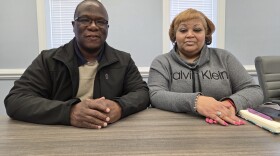 Starting in 2020, all North Carolina schools were required to use a framework called Multi‑Tiered Systems of Support, or MTSS, to help identify struggling students. But some families and advocates say the system is creating delays for children who need special education services.
 -
 Students in and out of the state can expect to pay anywhere from 2% to 10% more to attend the state's universities


